
In recent years, latex-free and non-latex rubber products have gained significant traction across industries — from healthcare and fitness to personal care and manufacturing. But what’s driving this shift? Let’s take a closer look at why more people and businesses are choosing latex-free solutions and how materials like TPE (Thermoplastic Elastomer) are leading the way.
1. Allergy Concerns Are on the Rise
One of the main reasons for the move away from natural latex is the increasing prevalence of latex allergies. Natural rubber latex contains proteins that can cause allergic reactions, ranging from mild skin irritation to more serious respiratory issues. In environments like hospitals, dental clinics, and fitness centers, the use of latex-free products significantly reduces the risk of triggering these allergic responses — making it safer for both users and professionals.
2. Latex-Free Doesn’t Mean Less Performance
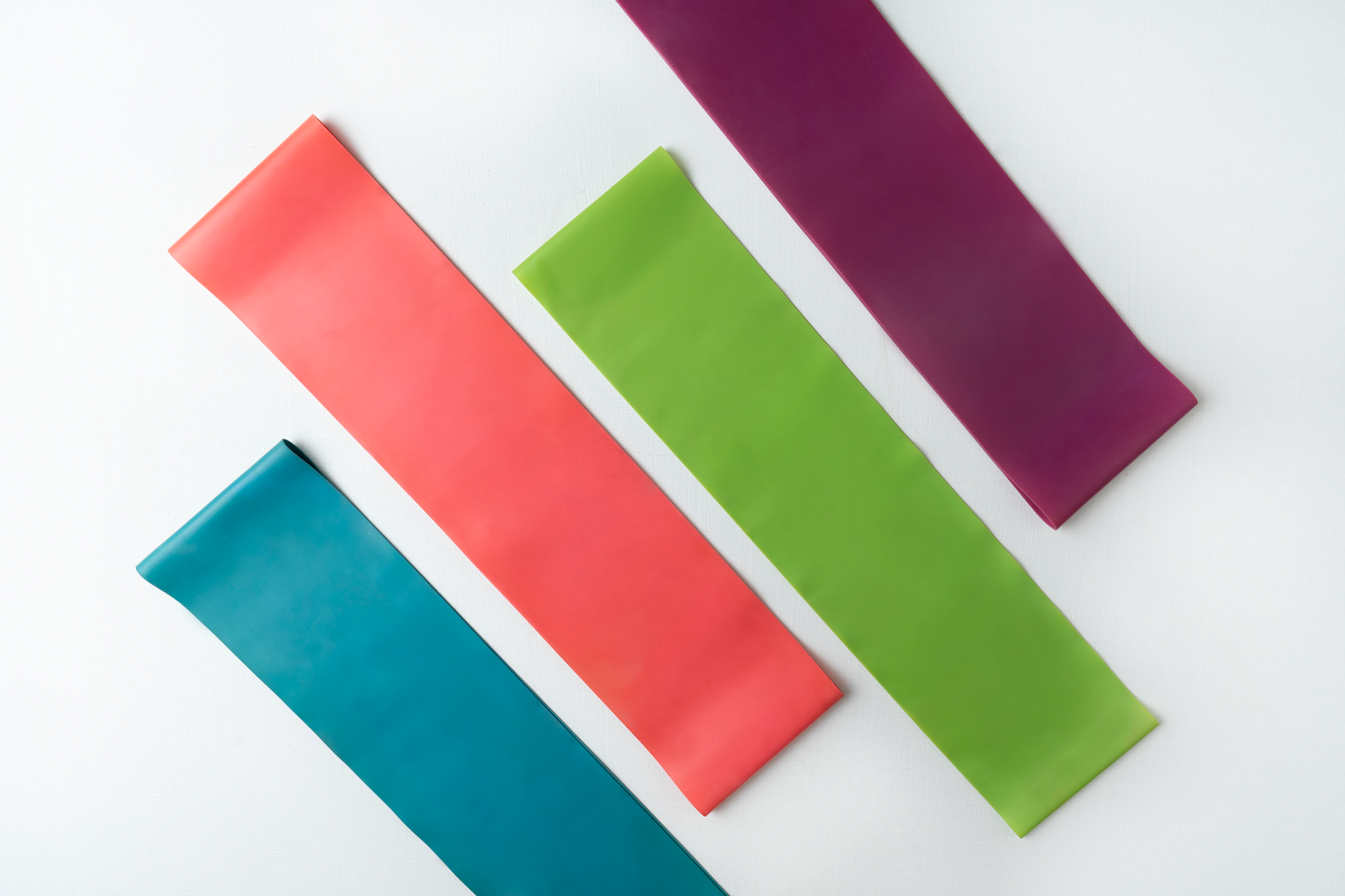
A common misconception is that non-latex alternatives are less effective. In fact, modern materials like TPE are engineered to match — and in some cases exceed — the flexibility, durability, and comfort of natural latex. For example, latex-free exercise bands made from TPE offer excellent resistance, consistent performance, and a soft, textured grip without compromising safety.
3. Widely Used Across Industries
Latex-free rubber products have applications beyond healthcare. Here are just a few examples:
-
Medical & Dental: Gloves, dental dams, and tubing
-
Fitness & Rehab: Resistance bands, loop bands, therapy bands
-
Consumer Goods: Baby products, fashion accessories, wearable items
-
Industrial Use: Seals, gaskets, and components where latex exposure is a concern
As awareness grows, more sectors are switching to latex-free to meet safety standards and customer demand.
4. TPE: The Smart Alternative
TPE (Thermoplastic Elastomer) is one of the most popular materials used in latex-free products. It’s non-toxic, biocompatible, and recyclable, making it not only safe but also eco-friendly. It also offers excellent elasticity, tear resistance, and color customization — perfect for brands that need performance without compromise.
5. A Safer Future Starts with Better Materials
Choosing latex-free isn’t just about avoiding allergies — it’s about future-proofing your products and protecting the people who use them. Whether you’re a healthcare provider, gym owner, or product manufacturer, making the switch to non-latex rubber can be a smart, responsible move.


